
If cancer had a taste, it would be bitter – like the bitter diagnosis, treatments and side effects. Yet for many cancer patients, one of the most frustrating challenges isn’t bitterness at all but rather the struggle to taste anything. Foods they love lose their flavor, meals become chores instead of a source pleasure, and getting needed nourishment feels like climbing a mountain with no map.
But at Cleveland Clinic Indian River Hospital’s Scully-Welsh Cancer Center, patients are discovering that food can still be a source of comfort, strength and joy during treatment.
Cancer. It is the dirty six-letter word no one ever wants to hear. It barges into life unannounced, bringing appointments, tests and treatments that leave little room for anything else. But while cancer takes away many things, nutrition is one area where patients can regain a sense of control, according to Gabriela Sabanilla, a dietitian at Cleveland Clinic Indian River Hospital.
And that control can make a meaningful difference. Proper nutrition before, during and after cancer treatment can significantly benefit both interim health and treatment outcomes. “With adequate nutrition, patients can keep up with scheduled treatments without sick-day interruptions,” said Sabanilla. “With proper nutrition, patients can maintain their strength and energy and reduce the risk of malnutrition throughout the course of their treatment.”
Of course, recognizing the importance of nutrition is one thing. Maintaining a healthy diet while dealing with treatment side effects is another. Fatigue, nausea, changes in appetite, and disruptions in taste and smell can make eating a daily challenge.
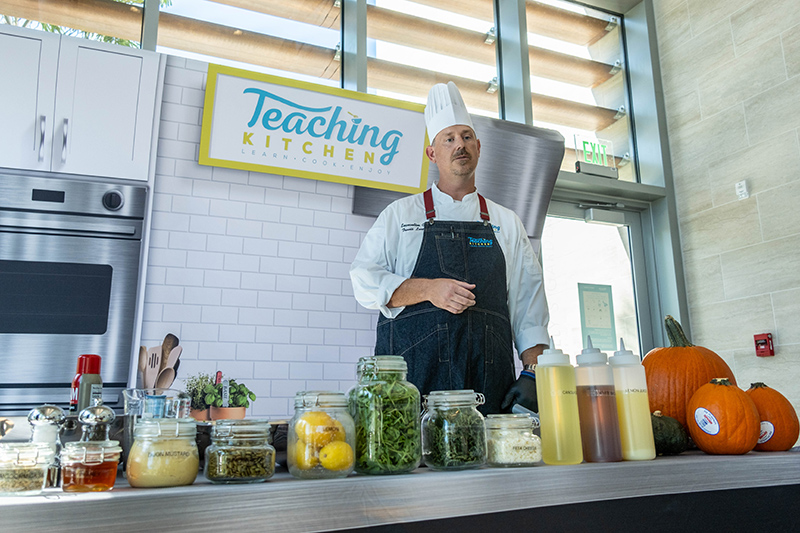
To make the process easier, the Scully-Welsh Cancer Center offers a complimentary Teaching Kitchen – a warm, inviting space where patients can learn practical cooking skills and recipes tailored to their condition and get tips on how to manage side effects through food. The service helps transform meals from a task into a satisfying experience.
“The main goal of the Teaching Kitchen is to expand food, culinary and nutrition literacy in a collaborative and team-building environment,” explained chef Travis Leopold of Morrison’s Food Services at Cleveland Clinic Indian River Hospital, who leads the classes.
“Engaging with onsite culinary staff and registered dietitians creates an enjoyable program that measures success by its ability to educate students on planning, cooking and eating better, more healthful meals at home.”
Nutrition is more than fuel. It’s one of the body’s most powerful defense tools. The right foods help strengthen the immune system, reduce inflammation, and lower the risk of chronic conditions such as heart disease, type 2 diabetes and certain cancers.
“Brightly colored fruits and vegetables are packed with phytonutrients, the compounds that give plants their rich colors,” Sabanilla noted. “Those same compounds have been shown to have potent anti-cancer effects.”
Staying hydrated is equally vital. “Hydration is crucial for cancer patients because it helps reduce side effects such as nausea, vomiting and constipation,” she said. “It flushes out toxins and waste products, maintains electrolyte balance, supports immune function and reduces the risk of dehydration.”
Food safety also becomes a top priority. With weakened immune systems, patients must be extra cautious to prevent food-borne illnesses. That means washing fruits and vegetables thoroughly, cooking foods to safe temperatures, refrigerating leftovers promptly, and avoiding unpasteurized dairy products.
And then there’s the issue of symptoms. Every patient experiences cancer treatment differently, and those differences affect how and what they can eat.
“Patients eat based on the symptoms they experience and special considerations for the type of cancer they have,” Sabanilla explained. “During nutrition sessions, I help personalize a nutrition plan based on their likes, dislikes, lifestyle, concerns, and symptoms they may be experiencing.”
But personalizing a plan only works if patients feel confident preparing food at home. Many don’t. Some have never cooked much. Others feel overwhelmed by conflicting nutrition advice. Many simply feel too tired or too sick to marshal the energy needed for careful food preparation.
That’s where the Teaching Kitchen truly shines. Each month, patients gather with Leopold and Sabanilla for a hands-on, supportive session intended to make learning feel natural and fun. Together, they explore recipes tailored to treatment needs, along with simple techniques that can make cooking easier and more enjoyable.
“I guide them step by step, demonstrating key techniques like knife skills, sautéing and seasoning, while Gabriela educates them about nutrition and connects ingredients to health benefits,” Leopold said. “Together we discuss flavor, texture, and how to adapt recipes at home. We encourage mindful eating by taking time to notice the colors, aromas and satisfaction of the meal.”
For many patients, the experience is transformative. “People light up once we start cooking,” Leopold said. “They ask questions, share tips, and enjoy the hands-on approach. I believe participants leave feeling capable and confident, with new knowledge they can apply immediately.”
The Teaching Kitchen is offered once a month, free of charge, to all Scully-Welsh Cancer Center patients. Participants leave each session with recipes, knowledge and the reassurance that healthy eating is possible, even during treatment.
Cancer patients or caregivers can pick up a flyer in the lobby of the Scully Welsh Cancer Center or call 772-226-4837 to register for the next Teaching Kitchen or simply show up for a fun, educational session learning how to optimize wellbeing through healthy eating.